Entry · Ref 29VJ9BZ6
How to Choose the Right Outdoor Sauna Cabin for Your Home
- Posted
- 2026-10-30
- Last amended
- 2026-10-30
- Account
- @outdoorsaunacabinpulse
Why an Outdoor Sauna Cabin Makes Sense
After years of stepping into chilly changing rooms and waiting for a public sauna to free up, I finally decided to build my own. The choice between indoor and outdoor was easy once I considered the space. An outdoor sauna cabin fits naturally into a backyard corner, and it keeps all that heat and steam away from your living room furniture. The smell of cedar or hemlock, the gentle crackle of the sauna heater, and the ritual of pouring water over hot rocks to create löyly, that all belongs outside, where it feels like a genuine escape.
A well-planned outdoor sauna cabin can serve your household for decades if you choose the right materials, heater, and layout. This article walks through the key decisions, drawing on real experience and the most common questions I hear from homeowners.
Size and Bather Capacity
The first question is how many people will use it at once. A two-person cabin feels cozy and efficient, but if you plan to host friends or family, a four- to six-person cabin is more practical. My own cabin seats four on two levels of bench, and that has worked well for both solo sessions and small gatherings. Bather capacity directly affects the footprint you need. A typical two-person outdoor sauna cabin might measure about 5 by 6 feet, while a six-person model could be 7 by 9 feet. Always allow for a small changing area or at least a covered porch if your climate demands it.
Materials: Cedar, Hemlock, and Beyond
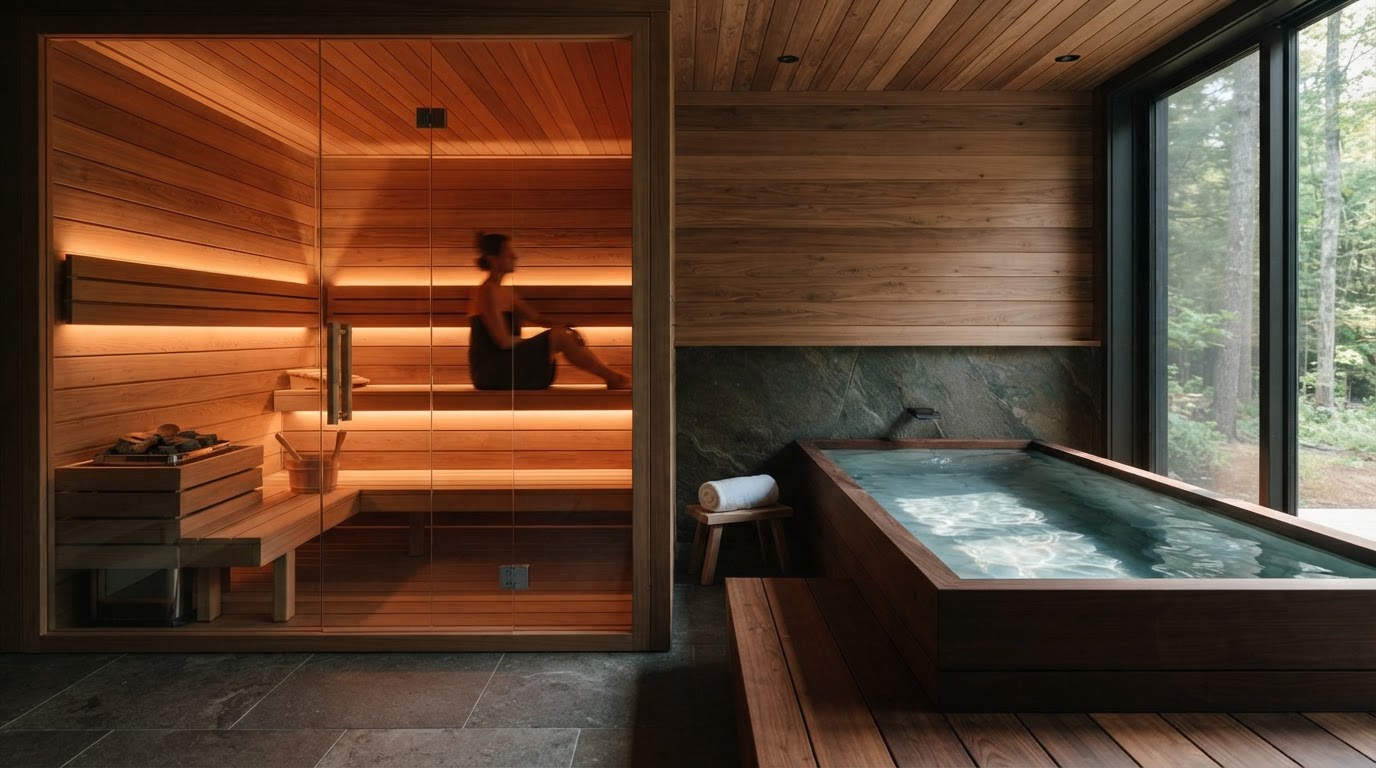
The wood you choose matters more than almost any other detail. Cedar is the classic choice because it resists rot and stays cool to the touch. It also smells wonderful as the cabin warms up. Hemlock is a more affordable alternative that still holds up well outdoors if you treat it properly. Some manufacturers use spruce or pine for the frame and cedar for the interior. I have seen cabins built entirely from hemlock that look beautiful after five years, though the grain is not as tight as cedar. For an outdoor sauna cabin, the exterior cladding must handle rain, snow, and sun. Thicker boards and a sloped roof design with good overhangs protect the walls and keep water away from the door.
The Sauna Heater: Electric or Wood?
Your choice of sauna heater defines the whole experience. Electric heaters are clean, easy to control, and require no wood storage. Harvia makes reliable models with good temperature control and a built-in thermometer so you can dial in the exact heat. Wood-fired heaters give a more traditional feel and can operate off-grid, but they need a proper chimney and more ventilation. I use an electric Harvia heater in my cabin because I wanted simplicity. The heater sits on the wall opposite the benches, with a guard rail to prevent accidental contact. Whichever type you pick, ensure the power supply matches the heater's requirements. Most electric units need a dedicated 240-volt circuit run by a licensed electrician.
Ventilation and Insulation
Good ventilation is not optional. Without it, the air becomes stuffy and the heat uneven. You need an intake vent low on the wall near the heater and an exhaust vent high on the opposite wall. Some cabins include a small adjustable vent in the door or under the bench. I added a second exhaust vent near the ceiling, which lets me fine-tune airflow. Insulation is equally important for an outdoor sauna cabin. The walls and ceiling should have a vapor barrier and mineral wool insulation to keep the heat inside. Poor insulation means the heater runs longer and the cabin cools down fast when you open the door. A well-insulated cabin also uses less electricity, which saves money over time.
Roof Design and Outdoor Placement
The roof needs to shed water and snow. A flat roof is a mistake for outdoor placement, it will leak eventually. A pitched roof with metal or asphalt shingles works best. Make sure the overhangs extend at least a few inches past the walls. Where you place the cabin on your property also affects how it performs. Choose a spot that gets some sun in winter but is not in a full wind tunnel. I placed mine under a large maple tree, which provides shade in summer and lets light through in winter. Leave at least a foot of space behind the cabin for maintenance and airflow. If you live in a snowy area, consider a slightly elevated foundation to keep the floor dry.
Glass Door and Bench Layout
A glass door does more than look nice. It lets natural light into the cabin and makes the space feel larger. Tempered glass with a low-e coating helps retain heat. I chose a door with a full-length glass panel and a wooden frame, and it has held up well through several winters. The bench layout is another critical decision. Two levels of bench let bathers sit higher for more heat or lower for a cooler experience. The upper bench should be wide enough to lie down on, at least 20 inches deep. Leave space between the heater and the benches, and make sure the door swings outward for safety. A well-designed bench layout makes the cabin comfortable for everyone, whether you are sitting alone or with four others.
Hot Rocks and Löyly
The tradition of pouring water over hot rocks to create löyly is central to the sauna experience. The rocks sit on top of the sauna heater and absorb heat over time. Choose rocks that are specifically made for saunas, they are dense and resist cracking. I use about 20 kilograms of peridotite stones on my heater. When you ladle water onto them, the steam should be gentle and fragrant, not scalding. The quality of löyly depends on the heater temperature, the rock placement, and the humidity. A good thermometer helps you maintain the right range, usually between 70 and 90 degrees Celsius. Experiment with different amounts of water to find what feels best for you.
Maintenance and Long-Term Care
An outdoor sauna cabin requires some upkeep, but not a lot. Sweep the floor and wipe down the benches after each use to prevent sweat and dirt buildup. Once a year, apply a coat of sauna-safe wood oil to the benches and interior walls. Check the roof for loose shingles and clean the vents. The heater should be inspected annually for any signs of wear. If you live in a humid climate, ensure good ventilation even when the cabin is not in use, prop the door open for a few hours after each session. With basic maintenance, a well-built cabin will last twenty years or more.
Hybrid Sauna Options
Some homeowners are now exploring hybrid sauna setups that combine an electric heater with a small wood-burning stove or infrared panels. This approach gives you the convenience of electric heat plus the option of a traditional fire when you want it. Hybrid systems are more complex and cost more, but they offer flexibility for different moods and seasons. If you are building your first outdoor sauna cabin, I would recommend starting with a single heat source and learning how it behaves before adding complexity.
Final Thoughts on Choosing Your Cabin
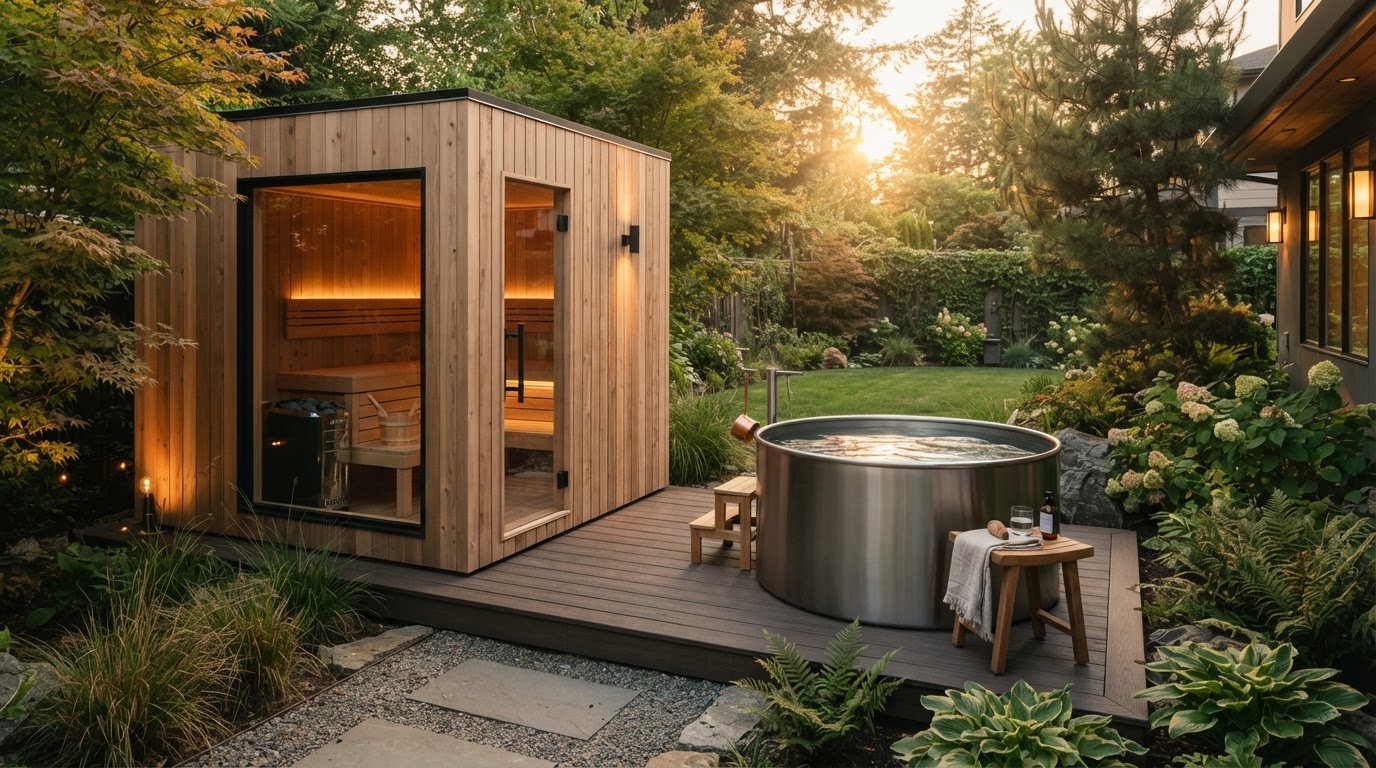
An outdoor sauna cabin is an investment in your well-being and your property. Take time to compare models from reputable brands like Finnmark and Harvia. Visit a showroom if you can, or at least watch video reviews that show the cabin from the inside. Pay attention to the thickness of the walls, the quality of the door seal, and the reputation of the manufacturer. The right cabin fits your budget, your space, and the way you want to use it. When you step out into the cold air after a good löyly, you will know you made the right choice.